

Graduated in engineering in networks and telecommunications. I am a certified Mulesoft integration developer since 2019, I have acquired solid expertise in designing and implementing robust and effective integration solutions.
My passion for technology and attention to detail have allowed me to work on various projects, where I closely collaborated with multidisciplinary teams to ensure seamless integration of systems. I always strive to optimize processes and enhance user experience through innovative solutions.
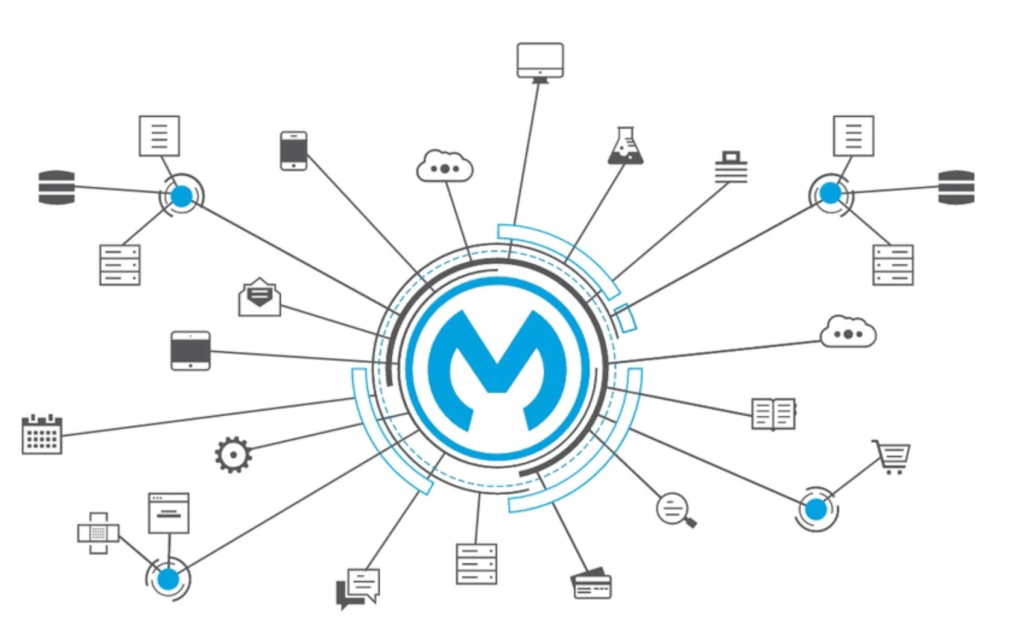
MuleSoft provides Anypoint Platform, connecting applications as middleware, data, and devices across on-premises and cloud environments. MuleSoft enhances customer experiences, productivity, and efficiency through API-led connectivity and automation.
What is a middleweare?
Middleware is a software layer that connects the operating system to applications, data, and users. It provides common services and capabilities, like single-sign on (SSO) or application programming interface (API) management. Developers can rely on middleware to provide consistent, simplified integrations between application components. This frees up developers to build core features of applications, rather than spend time connecting those features to different endpoints and environments, including legacy systems.
Why choose Mulesoft?
Project development often faces challenges during the integration phase. This stage typically involves connecting various components, databases, web services, and other essential systems, each of which has its own unique requirements. Deployment processes require inputs and outputs to follow specific formats, making the task of unifying these systems particularly difficult. To address these complexities, platforms like MuleSoft and other development tools offer effective solutions.
Today, MuleSoft is certainly considered one of the best solutions for connecting a number of applications and receiving real-time updates. Here are the top 5 reasons to choose MuleSoft for your data integration needs :
- Highly Efficient API: MuleSoft’s API-led approach allows organizations to adapt seamlessly to changes by using reusable APIs. This enhances access to legacy and SaaS applications, improves agility, speeds up development, and increases productivity while future-proofing your network.
- Rapid and Simpler Deployment: MuleSoft simplifies and accelerates the deployment process with cloud-based solutions, eliminating the need for dedicated servers. Its innovative templates can automatically handle 80% of deployment tasks, allowing for quick data flow. The platform is user-friendly, enabling non-developers to contribute to integrations.
- Increased Overall ROI: MuleSoft ensures better returns on investment by reducing the number of necessary connections and speeding up deployment. Its plug-and-play solutions allow IT teams to focus on critical tasks, enhancing customer experience and security without heavy implementation costs.
- Unconventional Unique Features: MuleSoft provides a wide range of components within Mule Studio, including various message sources, processors, filters, routers, and transformers. This extensive toolkit supports diverse data formats and integrates easily with third-party applications like Google, Amazon, and Salesforce.
- Open-Source Solution Platform: MuleSoft’s components are easily extendable, allowing businesses to develop custom connectors as needed. The MuleSoft community offers resources, user guides, and expert assistance, facilitating problem-solving and collaboration within an open-source environment.
My skills
As a senior Mulesoft developper, here are my skills listed:
Technical Skills
- Mulesoft Expertise: In-depth knowledge of Mulesoft Anypoint Platform, including DataWeave, API Management, and Anypoint Studio.
- API Design and Development: Proficiency in designing RESTful and SOAP APIs, including best practices for API versioning and documentation.
- Integration Patterns: Familiarity with various integration patterns (e.g., pub/sub, request/reply, batch processing) and their implementation.
- Data Transformation: Strong skills in data transformation techniques using DataWeave and other tools.
- Cloud and On-Premises Integration: Experience integrating cloud services with on-premises systems and understanding the nuances of both environments.
- Database Knowledge: Proficiency in working with databases (SQL and NoSQL) and understanding data modeling concepts.
- Error Handling and Logging: Knowledge of best practices for error handling, logging, and monitoring in Mulesoft applications.
Analytical Skills
- Problem-Solving: Strong analytical skills to troubleshoot integration issues and optimize performance.
- Business Process Understanding: Ability to comprehend business processes and identify integration needs to enhance efficiency.
Soft Skills
- Communication: Excellent verbal and written communication skills to articulate technical concepts to non-technical stakeholders.
- Collaboration: Ability to work collaboratively in cross-functional teams, including developers, business analysts, and project managers.
- Project Management: Familiarity with Agile methodologies and project management principles to manage integration projects effectively.
Additional Skills
- Security Practices: Understanding of security best practices for API development and data protection.
- DevOps Practices: Knowledge of CI/CD processes, version control (e.g., Git), and deployment strategies for integration projects.
- Continuous Learning: Willingness to stay updated with the latest trends in integration technology and Mulesoft features.
 Marie DIMI